
15 October 2025 | HR Tech
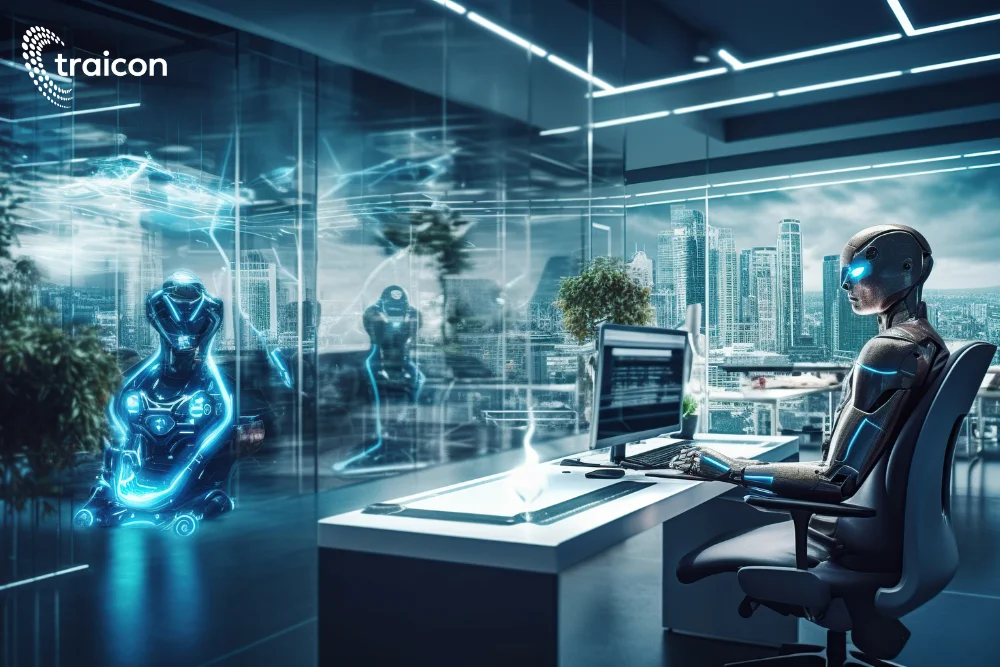
Automation is transforming how organizations operate, and one of the most affected domains is human resources. From streamlining routine HR functions to enhancing decision-making through HR analytics, automation ensures faster, smarter, and more efficient processes.
Human resource management has evolved beyond manual processing and paperwork. With cutting-edge digital tools, HR teams can efficiently manage hiring, onboarding, payroll, and training.
Automation improves efficiency for HR professionals. Through HR analytics, companies can measure employee satisfaction, monitor performance trends, and predict workforce needs.
With reduced repetitive workloads, HR teams can focus on improving internal communication, employee development, and well-being initiatives—boosting morale and productivity.
Automation is unlikely to replace human interaction in HR. Instead, it supports HR teams with better decision-making. Professionals now require strong analytical and digital skills, alongside core HR competencies.
While automation handles repetitive tasks, humans provide empathy, leadership, and coaching—qualities machines cannot replicate.
Organizations embracing AI and automation are better prepared for the future of work. Data-driven HR insights help managers anticipate challenges, improve policies, and promote inclusive cultures.
Automation is reshaping human resource management by improving efficiency, enhancing engagement, and enabling better decision-making. The future of HR belongs to organizations that balance automation with human empathy and connection.
.png)